


Is your pumping system the core of your process or production? If it is underperforming, you may not reach your operational objectives, impacting uptime, maintenance costs, and ultimately your business’s bottom line.
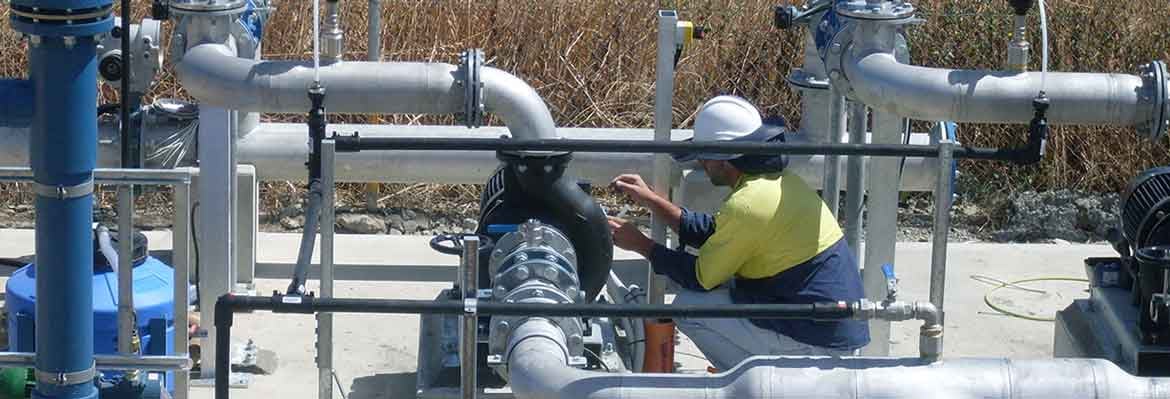
Improving pump reliability is not just about selecting the right equipment. In many cases, the issue lies in how the pump is operating within the system.
Global Pumps understands how critical consistent pump performance is, which is why in this blog we discuss improvement opportunities that you can implement right now!
Why Pump Reliability Issues Are So Common
On paper, most pumping systems are designed correctly, but in real operations, things change:
-
Process conditions shift
-
Pipework gets modified
-
Valves are adjusted or added
-
Production demands increase
Over time, these changes can push the pump away from how it was originally designed to run.
In fact, field audits consistently show that many pumps operate 20–30% away from their intended duty point, and in some cases, even further.
It’s not unusual to find pumps operating well outside their optimal range without anyone realising, leading to reduced performance, increased wear, and ongoing reliability issues.
What Pump Problems Look Like on Site
When a pump is not operating correctly, the signs are usually already there, you just need to know what to look for.
Common issues include:
-
Pumps running louder than usual
-
Increased vibration through pipework or baseplates
-
Frequent seal or bearing failures
-
Operators needing to constantly adjust valves
-
Flow rates that don’t match expectations
These are not random failures, they are usually symptoms of the pump operating outside its optimal range.
This is where a pump’s reliability performance starts to break down.
Practical Pump Reliability Solutions You Can Implement
Improving pump reliability doesn’t usually start with replacing the pump, it starts with understanding what’s actually happening in your system day to day.
In most cases, the pump is doing exactly what it’s being forced to do by the system.
Some practical steps you can take on site include:
-
Check where your pump is actually operating
Compare your actual flow and pressure against the pump curve. Many pumps are running well off their intended duty point without anyone realising.
-
Look for warning signs early
Increased vibration, noise, rising bearing temperatures, or repeated seal failures are all indicators the pump is under stress.
-
Review how the system is being controlled
Heavily throttled valves or constant operator adjustment can push the pump away from stable operation.
-
Monitor performance over time
Even basic instrumentation such as flow, pressure and vibration can show when performance starts drifting before failures occur.
-
Reassess system changes
Any changes to pipework, fluid type, or process conditions can shift the pump’s operating point without anyone revisiting the original design.
In many cases, improving reliability is not about changing the pump, it’s about correcting how the system is using it.
The Key Concept Behind Reliable Industrial Pumping Solutions
One of the most common issues we see is a lack of visibility on where the pump is actually operating on its curve.
💡 Most pumps are designed to run at a specific point, but in reality, they rarely stay there.
This is where understanding the Best Efficiency Point (BEP) becomes critical.
It explains:
-
Why pumps lose efficiency
-
Why components wear faster
-
Why systems become harder to control
👉 If you want to understand what’s really happening inside your pump, read our blog on the Best Efficiency Point of a pump.
By understanding how your system operates and applying the right strategies, you can significantly improve performance and achieve reliable industrial pumping solutions.
With over 44 years' experience, Global Pumps can assist you in ensuring your pumping system is reliable, efficient and performing to the best of its capabilities. Get in touch today!