



Slurry pumps are a core component of a mine site's processes; if they aren't running smoothly it can cause massive downtime and loss of production. To ensure they function optimally and reliably, it is crucial that sites implement a frequent, predictive maintenance schedule rather than waiting for a problem to appear.
As some site operators may not be familiar with exactly what preventative maintenance measures slurry pumps require, Global Pumps have shared their knowledge, including the monthly, quarterly and half-yearly maintenance measures, and downtime requirements, recommended by Global Pumps' team of slurry pumping experts.
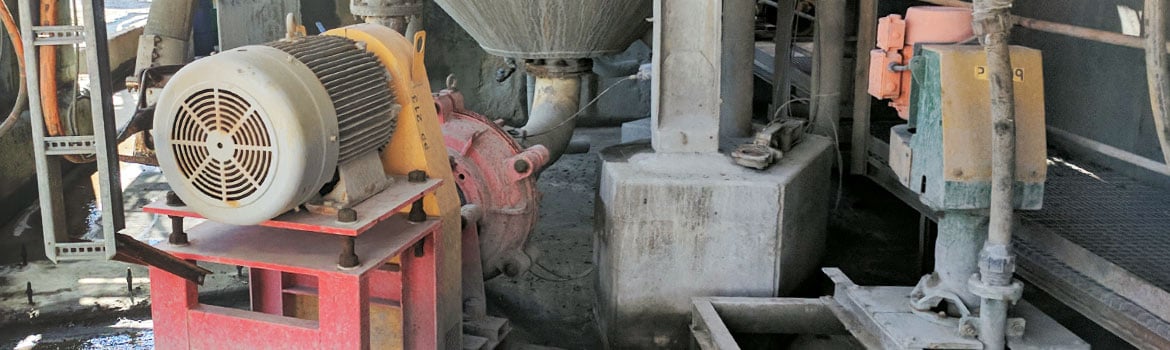
What is predictive maintenance for slurry pumps?
Predictive maintenance means using ongoing condition data, rather than a fixed calendar alone, to decide when a slurry pump needs attention. Instead of waiting for a component to fail, or blindly replacing parts on a set schedule regardless of condition, predictive maintenance tracks real indicators of wear so parts can be replaced at the right time: not too early, and not after they've already started affecting performance.
For slurry pumps, the most useful predictive indicators include:
- Head and flow performance checked monthly against the pump's original start-up duty point: a drop here is one of the earliest signs that wearing parts need attention
- Vibration levels, which typically increase as internal clearances open up from wear
- Power consumption, which tends to rise as hydraulic efficiency declines
- Gland water leakage rate, a useful early indicator for seal condition on expeller and gland-packed pumps
Tracking these consistently allows maintenance to be planned during scheduled shutdowns, rather than reacting to unplanned failures, which is typically far more costly and disruptive.
Monthly maintenance checks for slurry pumps
Global Pumps recommend that the pump's performance (head and flow) is verified monthly against the original or start-up duty point, as this is one of the clearest indicators of the condition of the wearing parts. Global Pumps' specialised Mining team also recommend checking the following monthly:
Sealing system
As with all pump wearing parts, the components of the sealing system will require periodic checks to avoid inefficient pump performance. The frequency of this would depend on the application or the sealing system. However, a tell-tale sign is the amount of gland water leakage (for expeller and gland-packed pumps).
Global Pumps suggest replacing the gland packing when other main wearing parts are changed - to avoid any further downtime.
Impeller adjustment
The impeller can be adjusted forwards and backwards in the pump’s casing to compensate for part wear in abrasive applications. In order to ensure maximum efficiency and part life, the impeller should be adjusted frequently. Specific instructions are generally listed in the IOM provided by the manufacturer.
Periodically, wearing parts (impellers and liners) will need changing as their wearing condition will affect the performance of the pump. Changing these parts is generally the inverse of the assembling of the pump. It is crucial that you do not apply heat to the impeller hub or inlet eye, as the application of heat may result in the impeller shattering, injury or equipment damage. It is also important to note that wearing parts may have extremely sharp areas due to the wear and tear they endure.
Quarterly maintenance checks for slurry pumps
Global Pumps recommend the following quarterly slurry pump maintenance measures:
- empty existing lubricant and replace with fresh lubricant
- clean and oil stubs and threads on the motor base and gland
- inspect the stuffing box for wear and re-pack
- clean bearings and bearing houses, refill with fresh oil
- inspect and flush drains as well as seal water piping
- ensure pump and motor are aligned
Storing a slurry pump during downtime
Some slurry pumps, like the SlurryPro series, are designed for continuous use; however, there are instances when pumps are withdrawn or stored, whether for planned downtime or while awaiting repair.
Global Pumps recommend the following storage measures to keep your pump in good condition before, during and after downtime:
- cover the suction and discharge flanges unless they are connected to pipework
- thoroughly drain pumps of all pumped fluid
- store indoors where possible: for rubber-lined pumps in storage longer than 1 year, indoor storage is essential
- if outdoor storage is unavoidable, use a protective cover such as tarpaulin and black plastic to prevent UV damage to elastomers
- protect the pump from extremes in temperature and humility, as well as excessive dust, moisture and vibration.
Maintenance during the downtime
Pumps require maintenance even during downtime! Global Pumps recommend:
- every four weeks: turning the shaft several times to avoid jamming
- every six months: purge the labyrinths with grease to prevent associated damage to the bearings
Before you start up after downtime, be sure to also check the gland packing’s state. For storage longer than 2-years it is highly recommended you replace the gland packing.
Want to chat to a mining expert about your application? Or discuss best practice when it comes to downtime or maintenance? Get in touch with Global Pumps today! Our team has more than 49 years of experience supporting sites across Australia and can advise on solutions for your tough mining challenge.