


Mine sites across the industry are beginning to see how much water their slurry systems are no longer losing each day. Across many operations, water consumption has dropped, unplanned shutdowns have eased, and the constant drip of wasted resources has finally started to disappear.
But it wasn’t always this way.
For years, when discussions came up about how much water is used in mining, the focus stayed on processing plants, tailings dams, or dust suppression. Slurry pumps rarely entered the discussion, even though they run nonstop and sit in some of the harshest conditions on site.
In reality, a significant portion of water used in mining was being lost through issues that had been tolerated for years. Leaking glands, seal flush systems running constantly, emergency wash-downs after failures, and pumps being taken offline far too often. Operators increased gland water flow to protect aging seals, accepted frequent maintenance, and worked around shutdowns. None of it fixed the root issue, and all of it pushed water use higher with no operational upside.
In many cases, a single small slurry pump was consuming close to eight million litres of water each year just to keep traditional sealing systems alive, water that then had to be managed, removed, or evaporated further down the process stream.
That began to change with the introduction of the SlurryPro Elite Mechanical Seal.
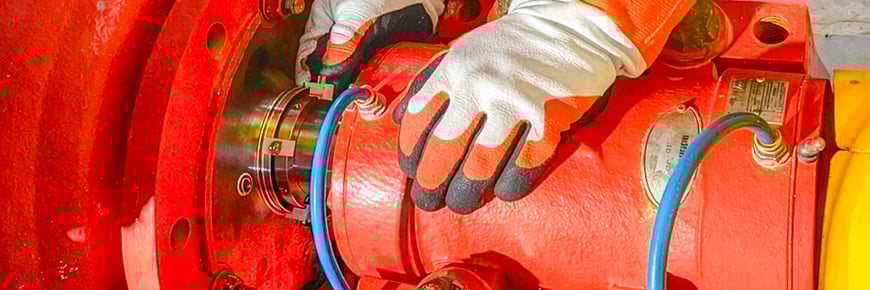
Instead of compensating for outdated pump sealing with more water, the focus shifted to stopping the loss at its source. The SlurryPro Elite was designed to run without seal flush water, using a patented conical, diamond-faced design that circulates slurry around the seal and uses the slurry itself for cooling.
It retrofits into existing pumps, removing the need for gland water pumps, injection lines, contaminated water storage, and constant manual adjustment.
The results has been immediate and measurable.
Seal water usage has been eliminated or reduced to as little as 0.2 litres per minute in harsh conditions, leakage has stopped, and pump uptime has increased significantly.
Maintenance teams no longer need to adjust gland followers on live equipment, and shutdowns tied to seal failure have dropped away. On sites running multiple pumps, the water savings add up fast, reaching millions of litres per year without touching the pump itself.
What stands out most is how simple the change was.
There was no need to replace entire pumping systems or redesign slurry circuits. By upgrading the seal alone, sites reduced water use, lowered maintenance demand, improved safety, and cut the hidden costs tied to leakage, wash-downs, and downtime. The seal’s modular design also allows on-site refurbishment, keeping pumps in service longer and reducing turnaround delays.
Video: Global Pumps presentation at AIMEX 2025 - Rethinking Water Use in Mining.
If reducing water use in mining is a real priority on your site, start with the pumps that never stop running.
Look at where water is being lost rather than where it is officially allocated. If your slurry pumps still rely on legacy sealing systems, upgrading to a flush-free mechanical seal like the SlurryPro Elite is one of the fastest ways to reduce the water used in mining while improving reliability at the same time.